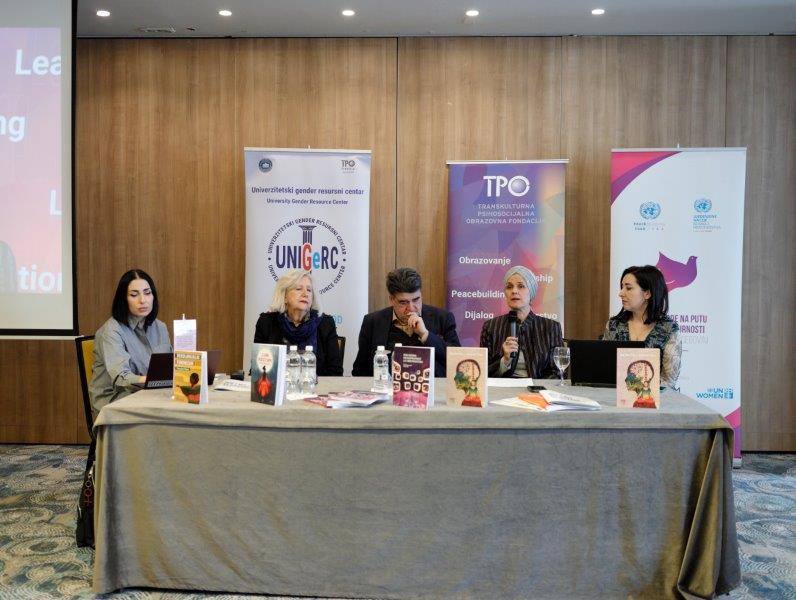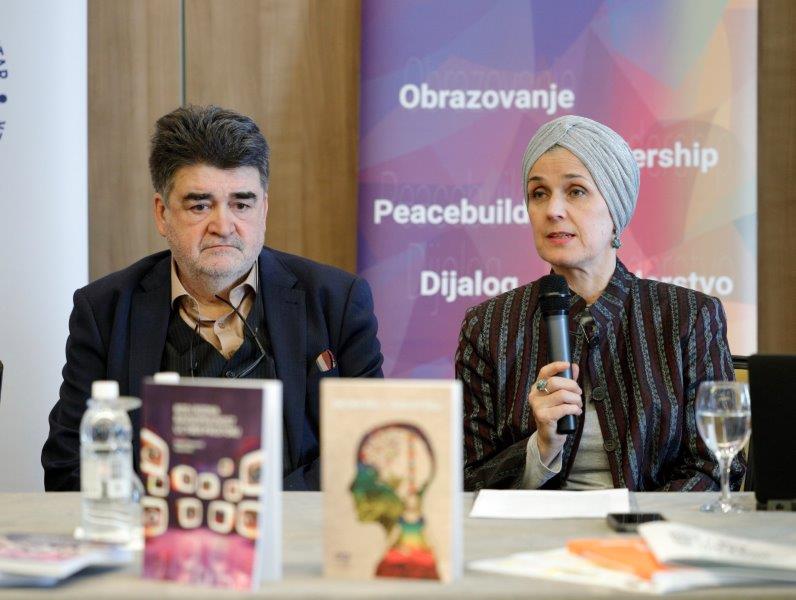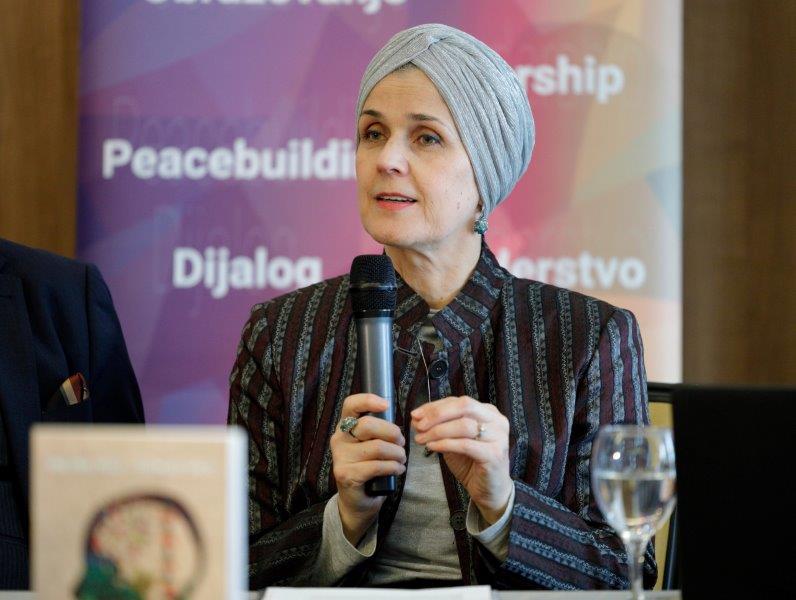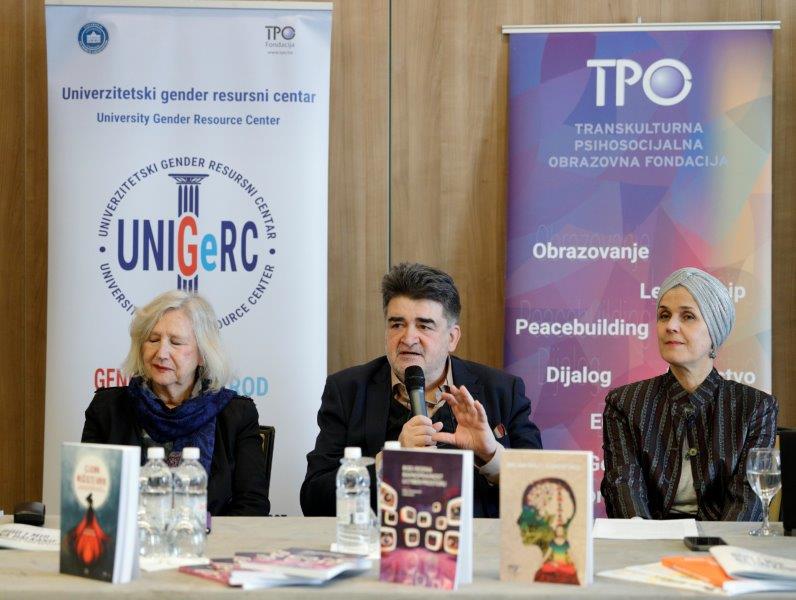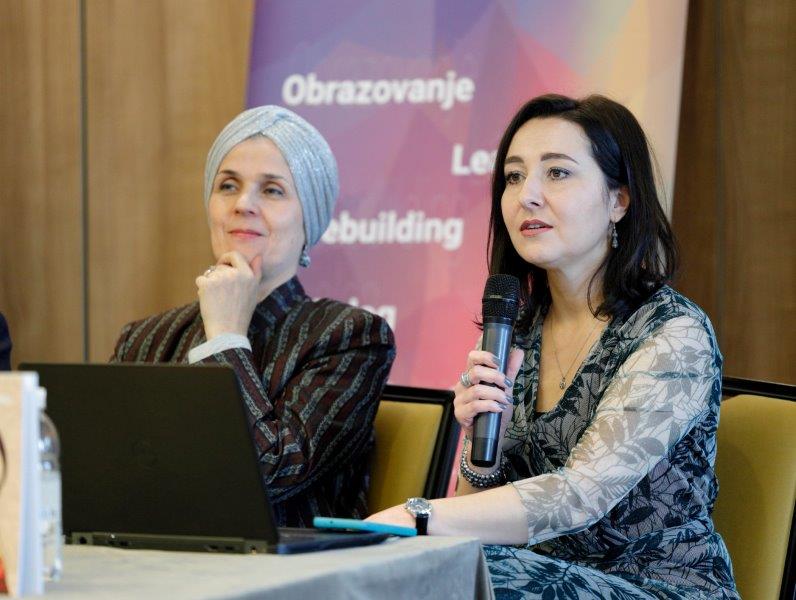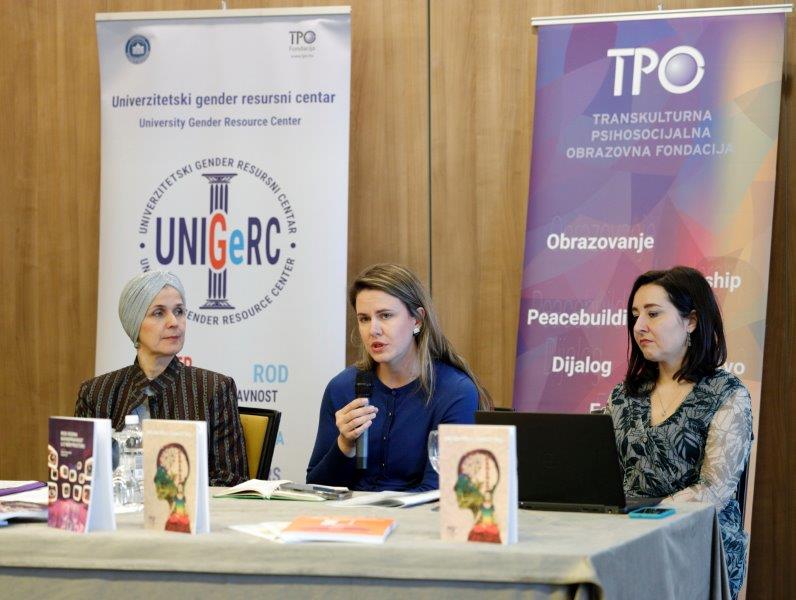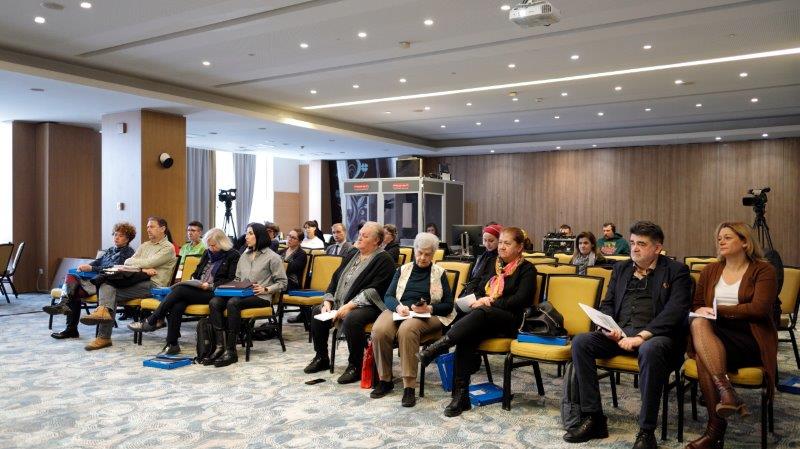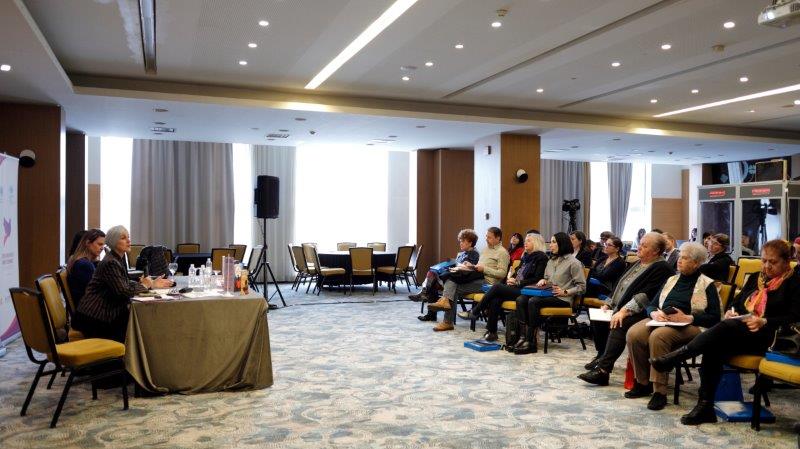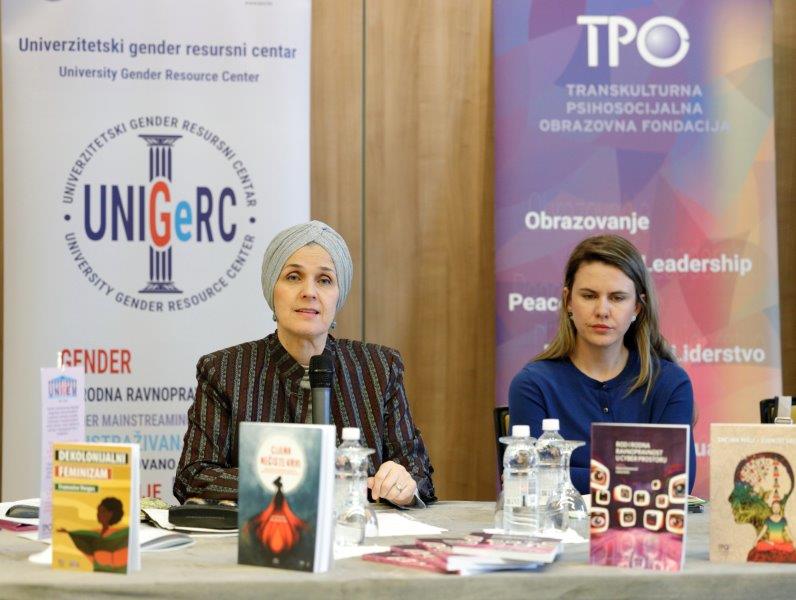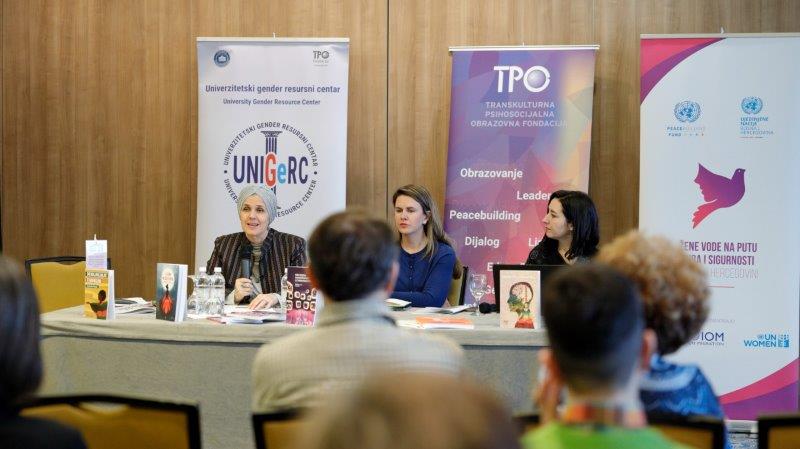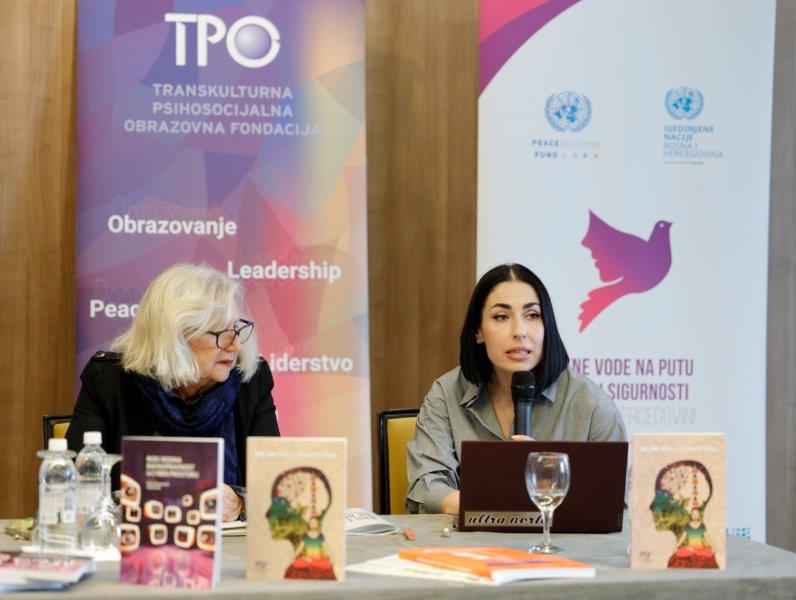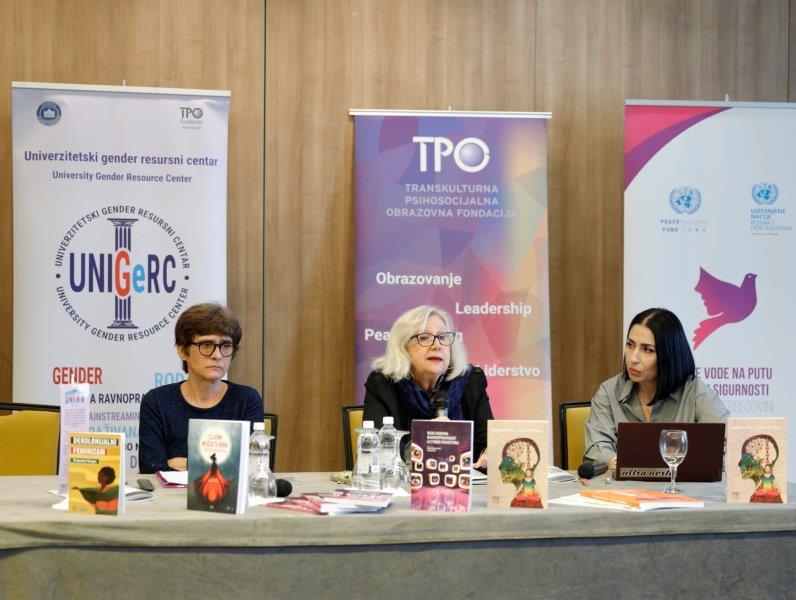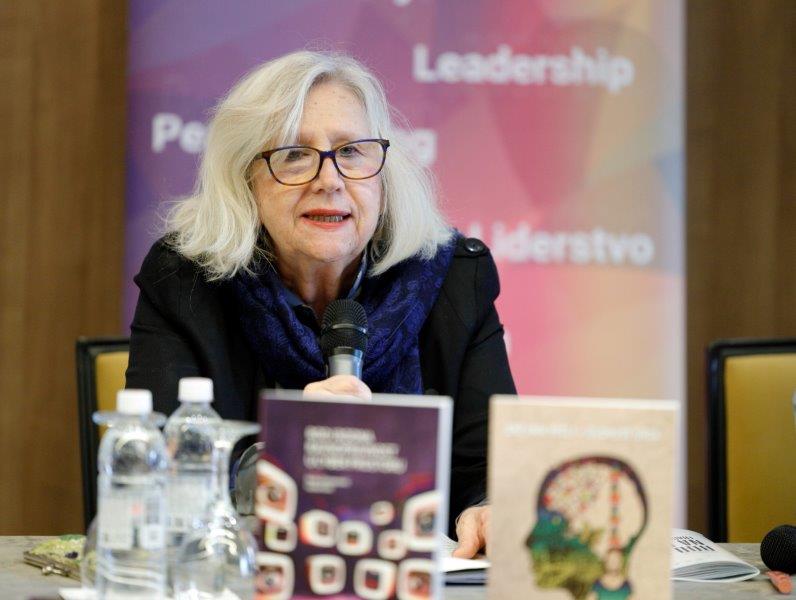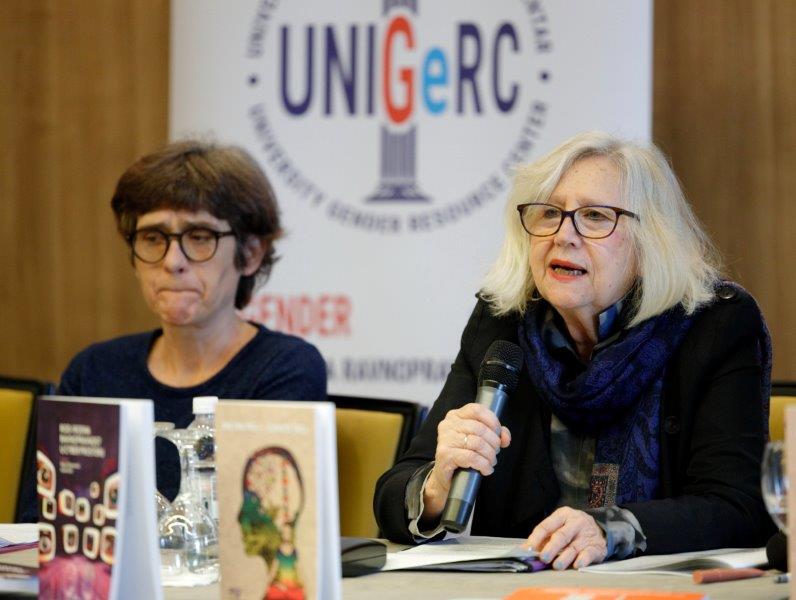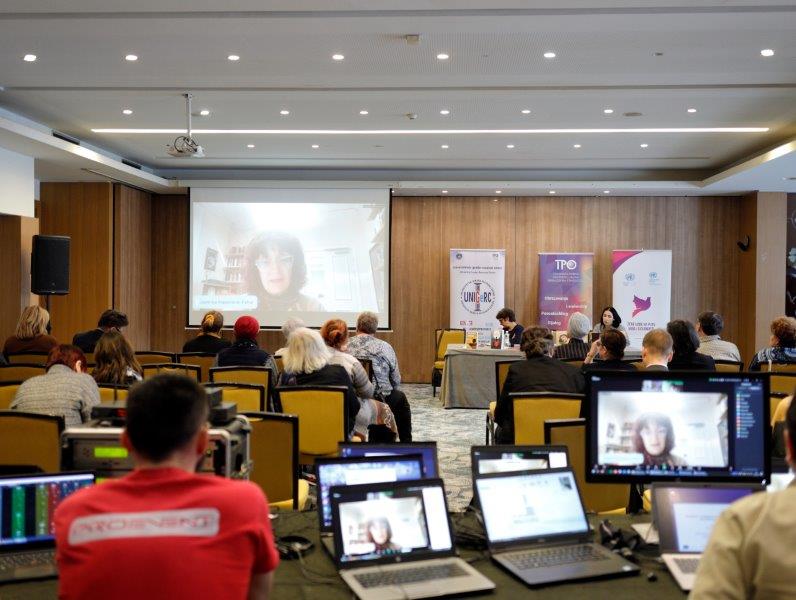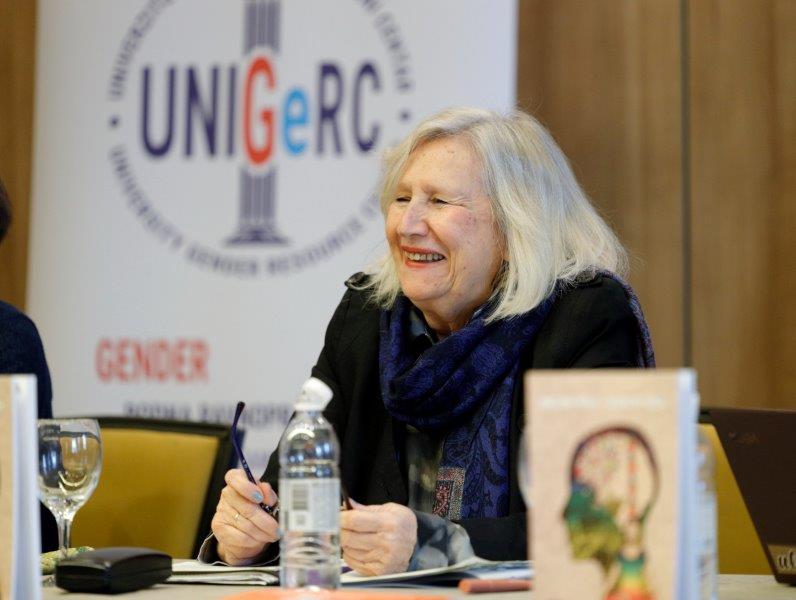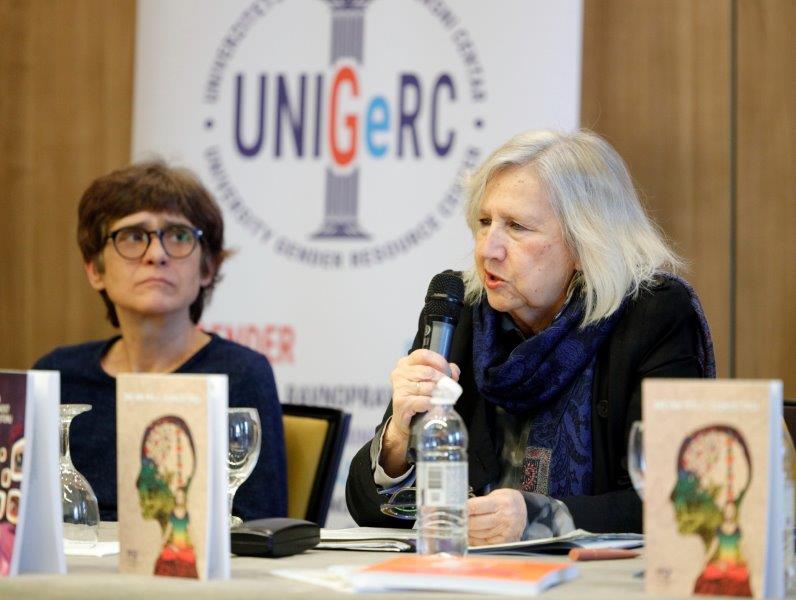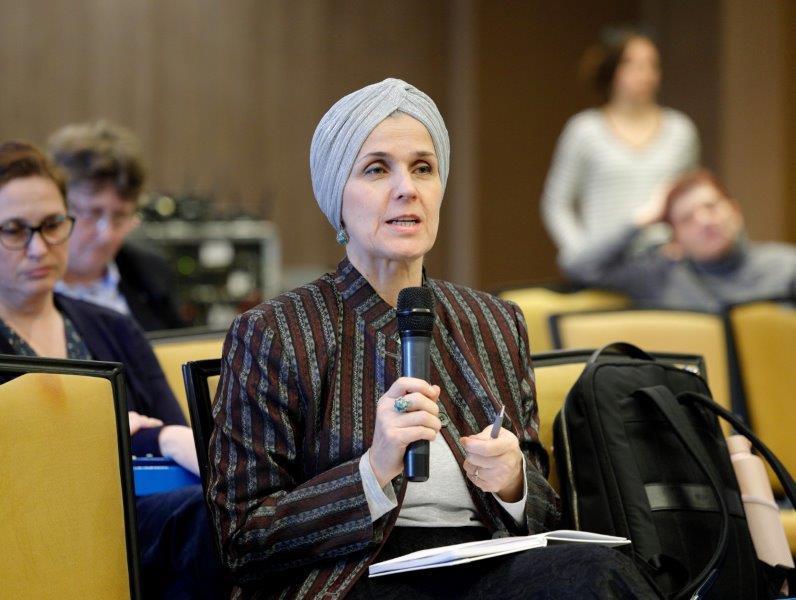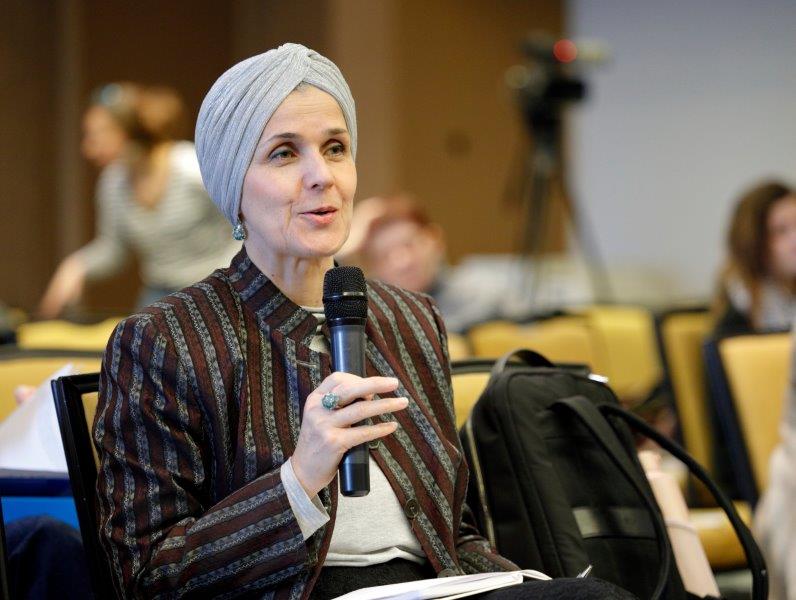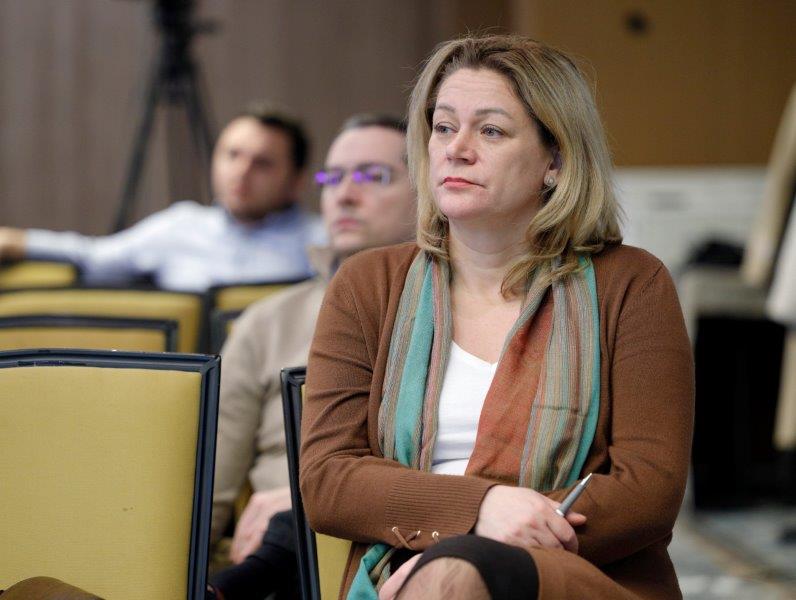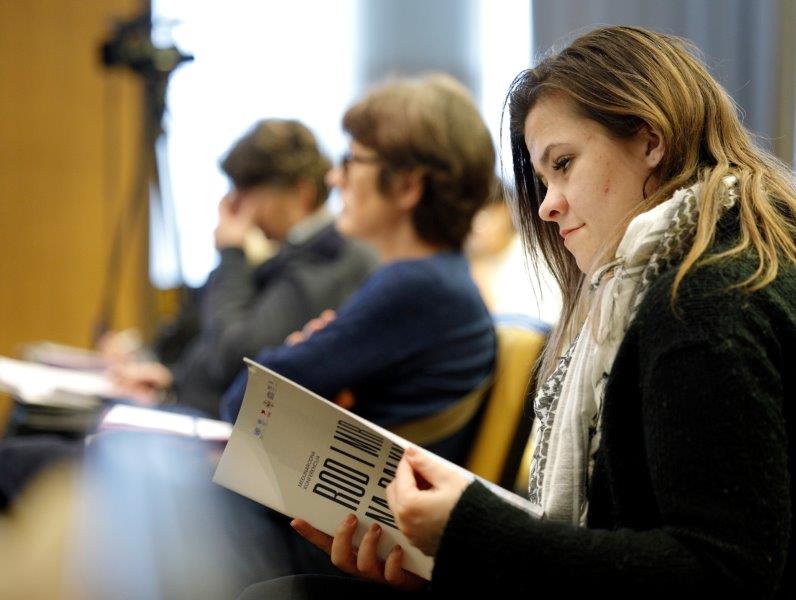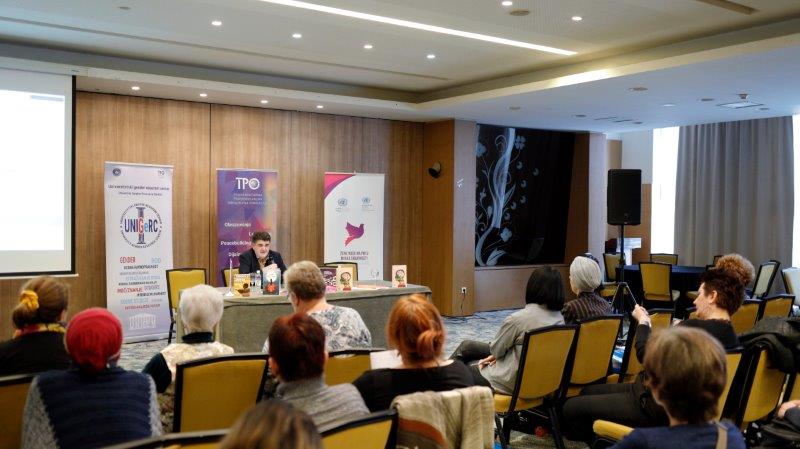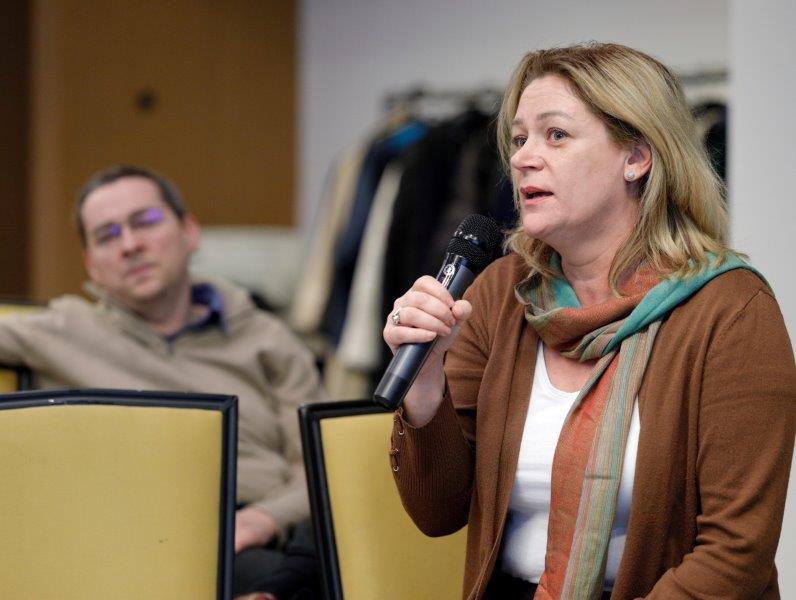


















“Why is ‘every journey better than staying in the inn’?” – the answer lies in the need for a more active and visible feminist engagement to counter anti-gender movements, panelists agreed at the conclusion of the first day of the conference Gender and Peace in the Balkans: Charting the Way Forward.
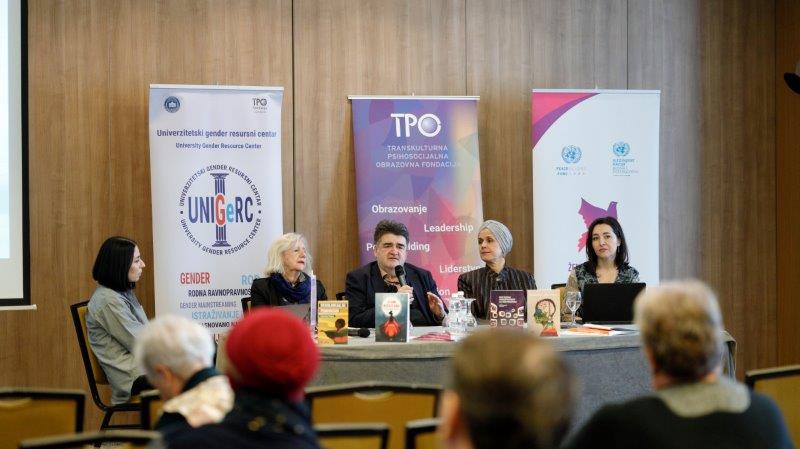
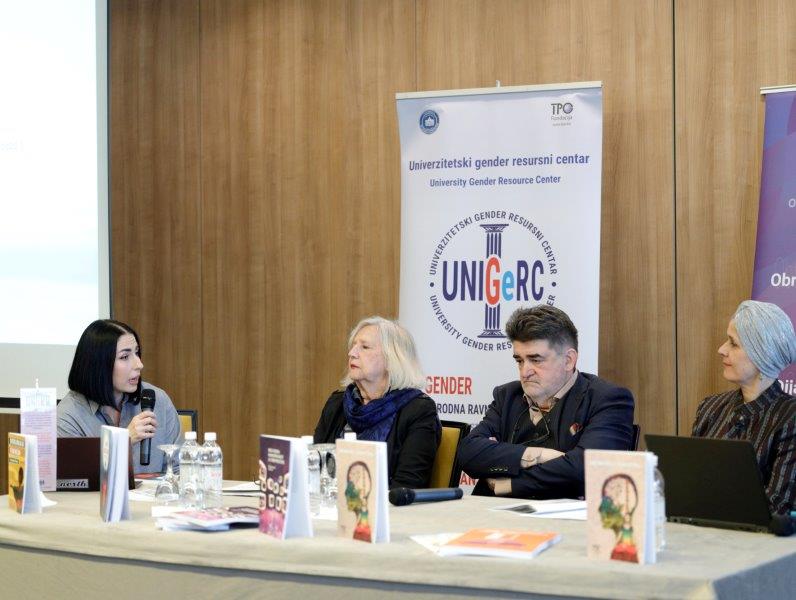
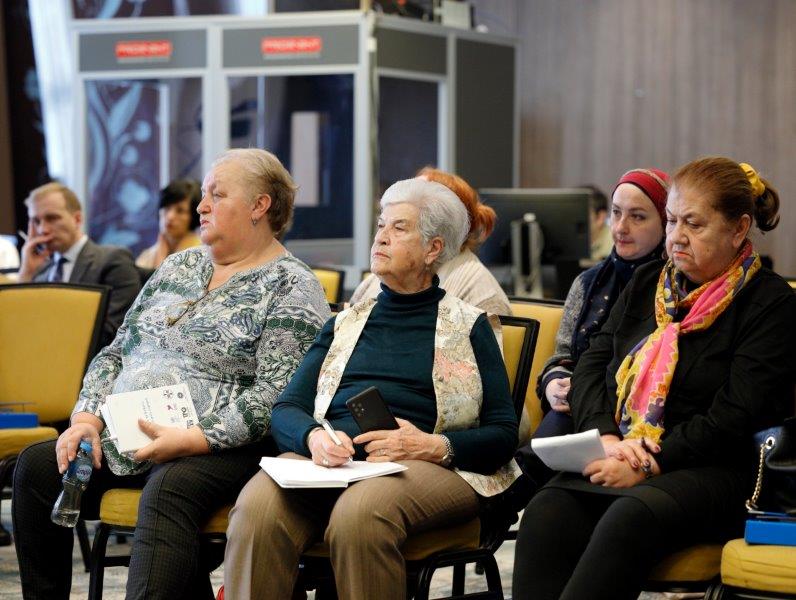
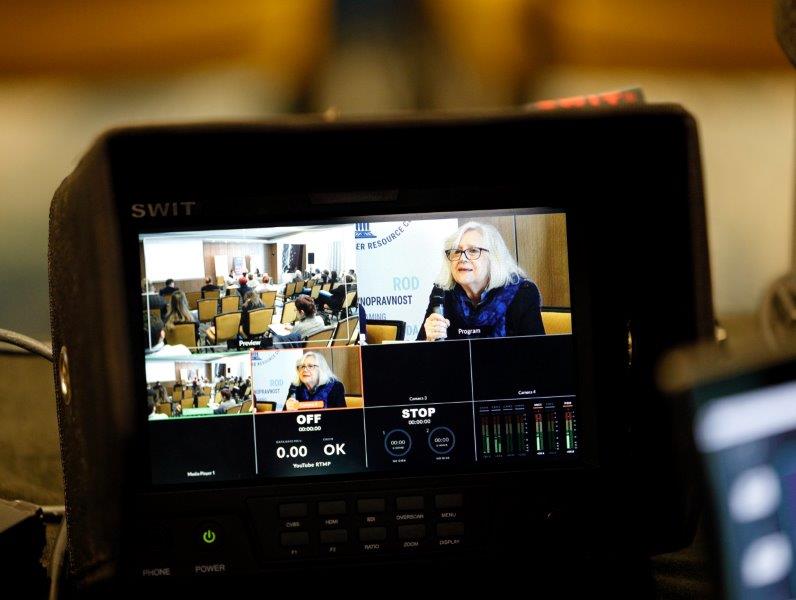
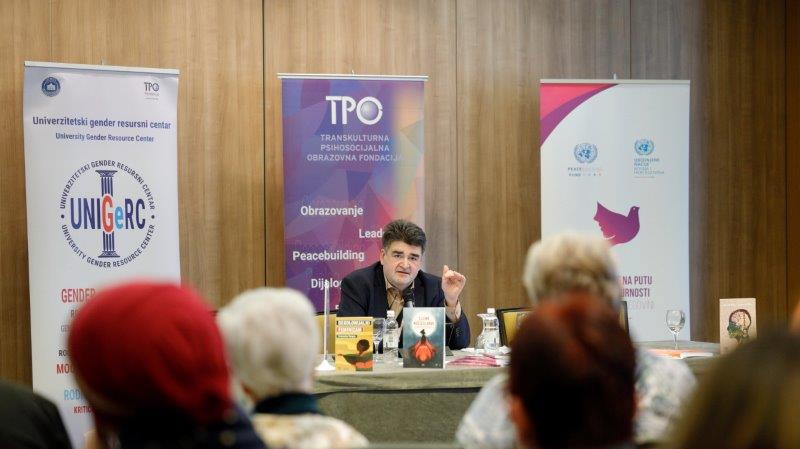
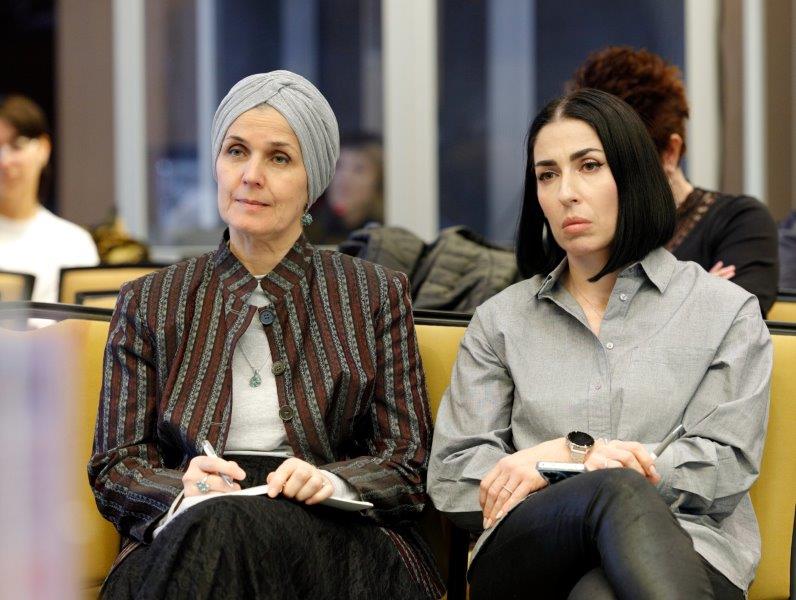
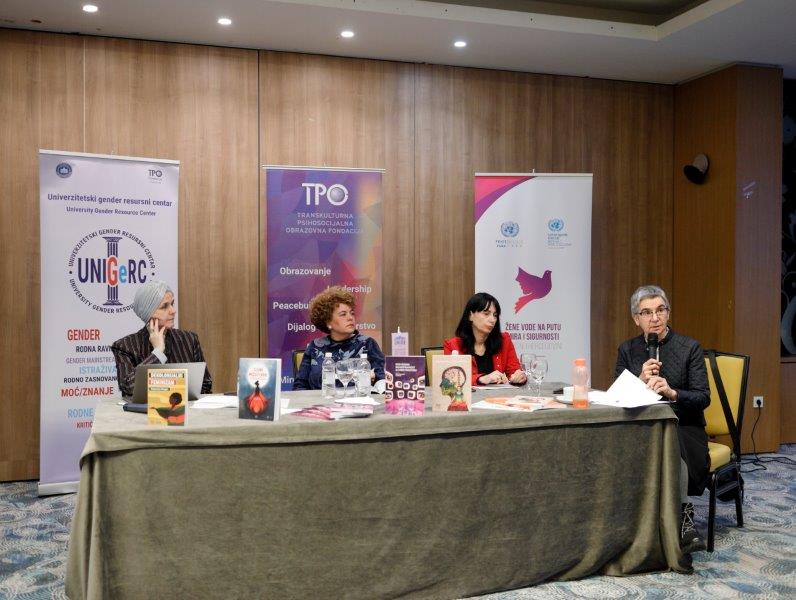
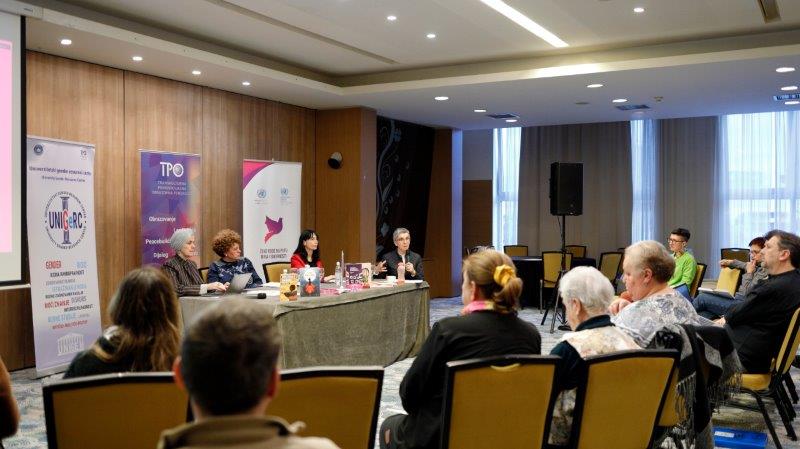
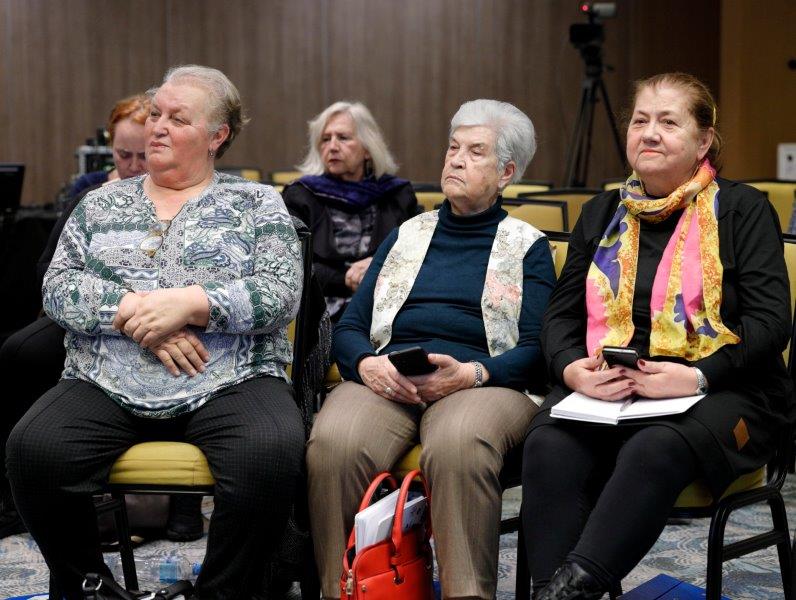
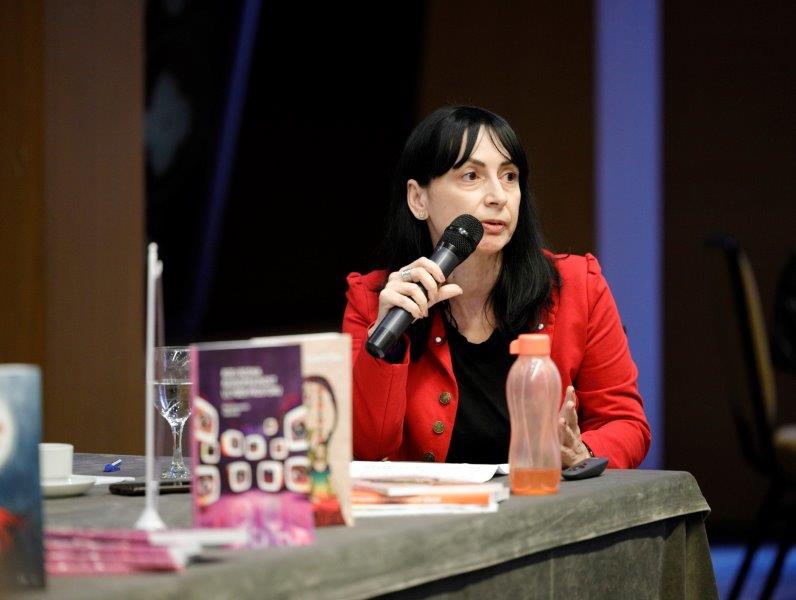
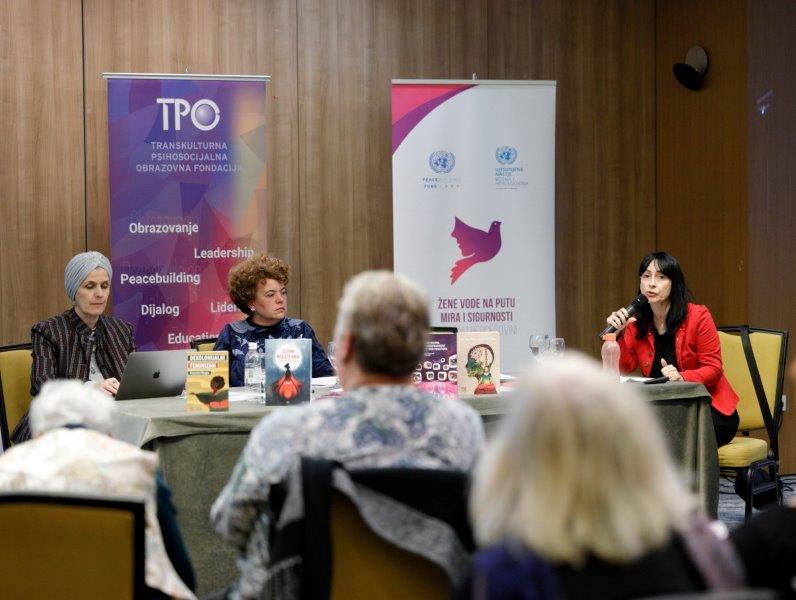
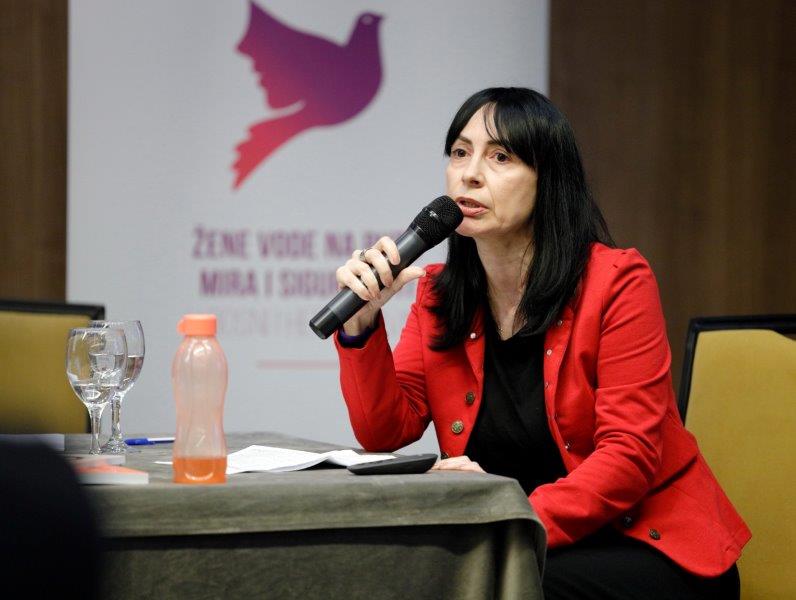
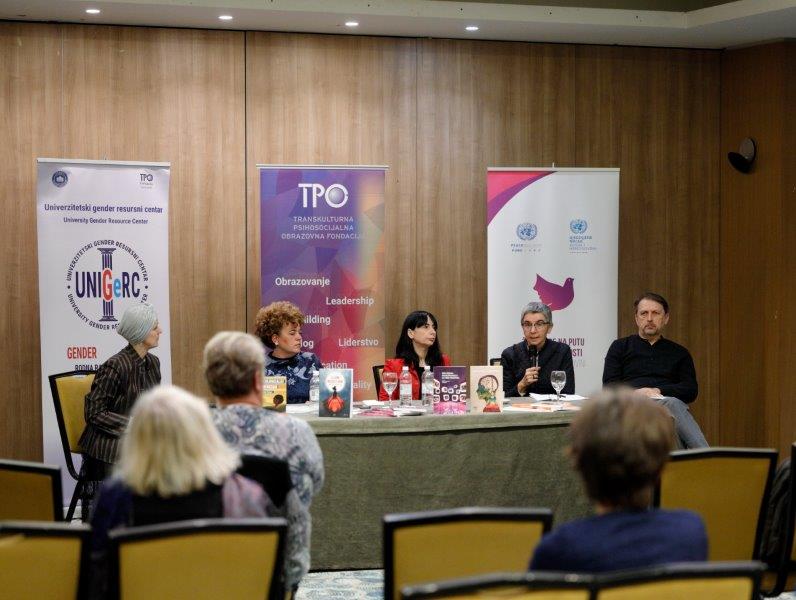
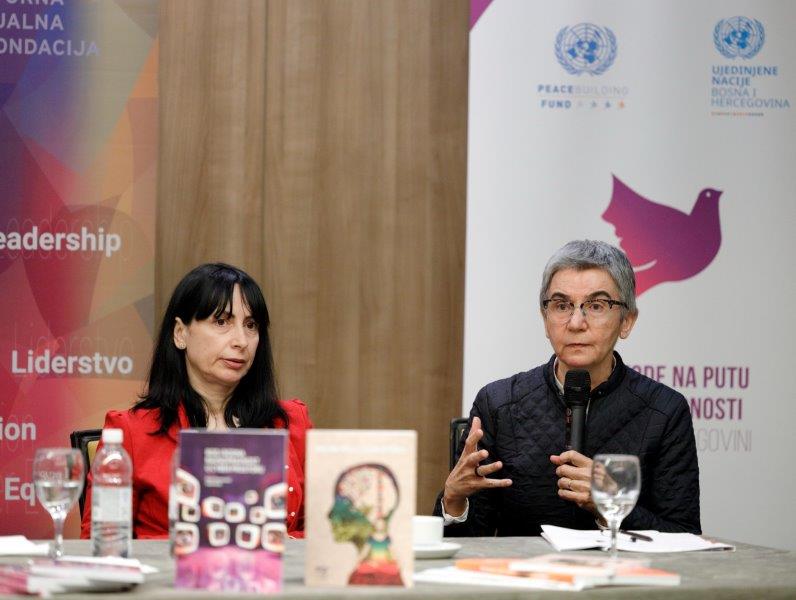
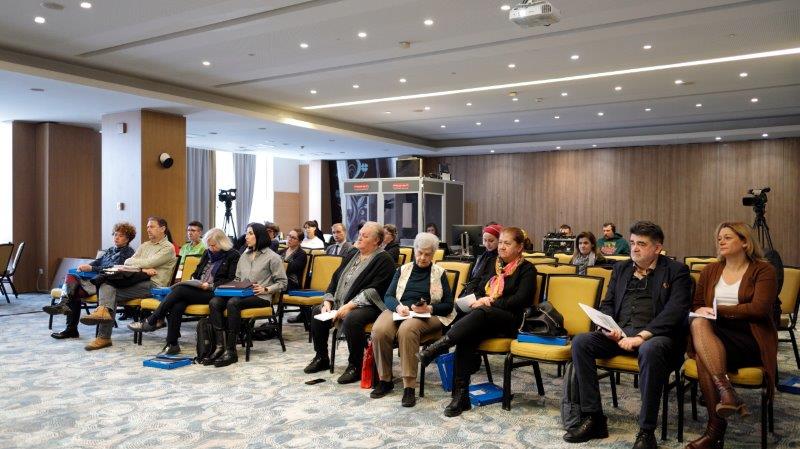
The first day of the conference was marked by dynamic discussions on contemporary challenges to gender equality, the militarization of society, and feminist resistance. The conference was opened by Prof. Dr. Zilka Spahić Šiljak, Director of the TPO Foundation, and Edita Miftari, representative of UN Women, who addressed participants with an introductory lecture and a welcoming speech. This was followed by two panels and an introductory presentation, during which the (dis)continuities of patriarchal violence, anti-gender narratives and policies, and the role of feminist movements in peacebuilding were analyzed.
The conclusion of the first day highlighted the urgent need for stronger and more visible feminist engagement, given that dominant anti-gender movements in the contemporary global context are promoting retraditionalization and challenging long-established rights.
Militant Patriarchy and the Feminist Responsibility for Peace
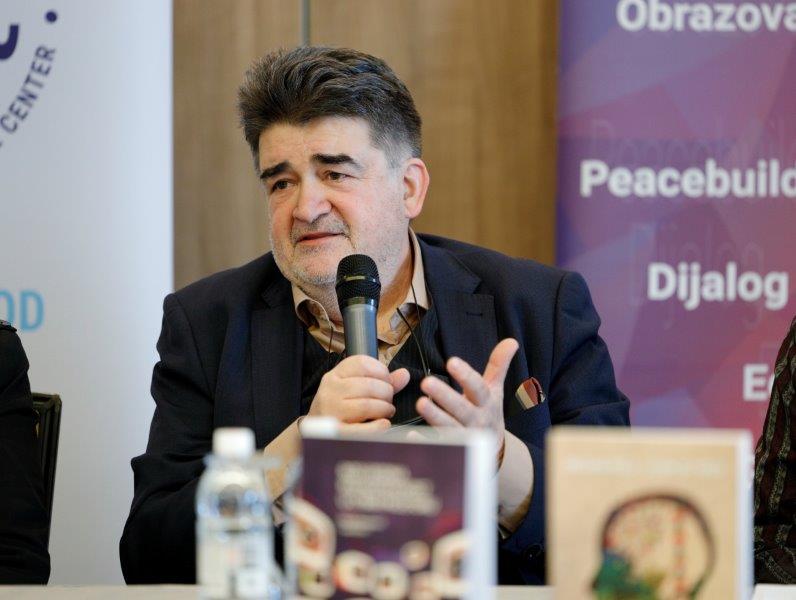
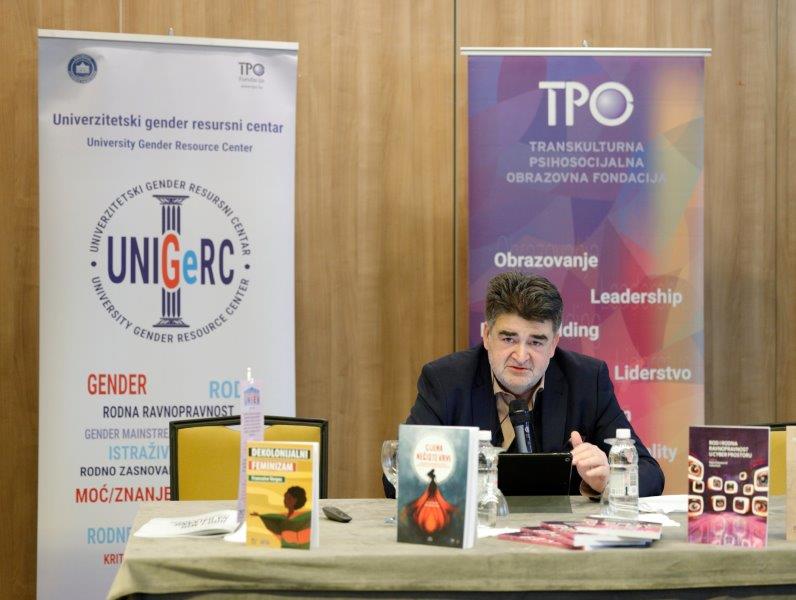
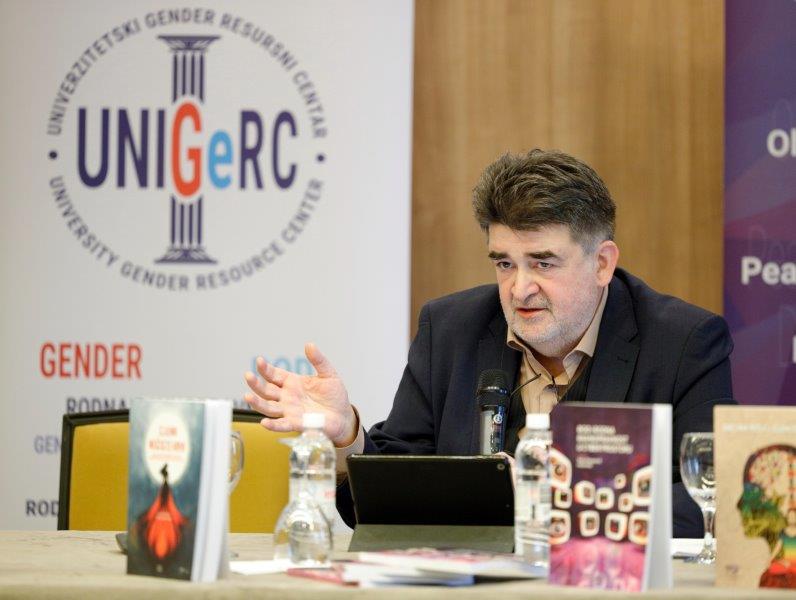
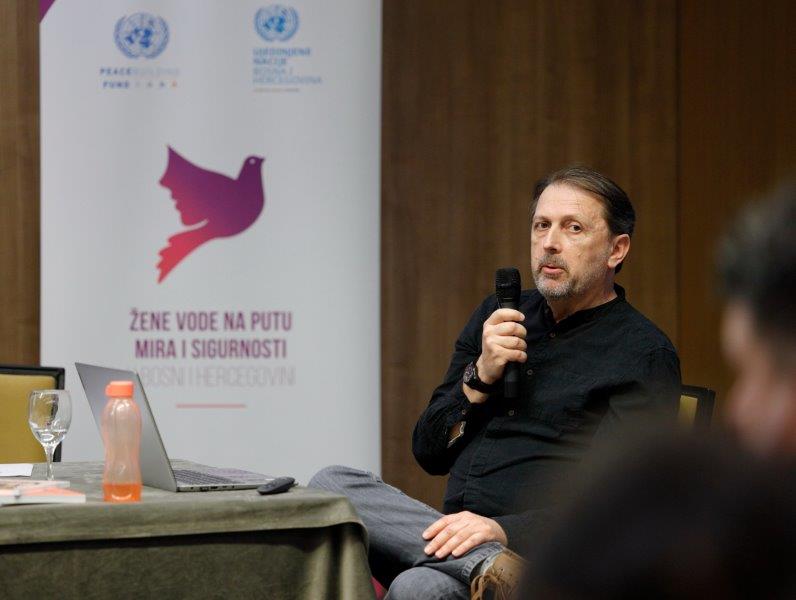
Professor Nerzuk Ćurak, as the keynote speaker, addressed the theme “The Rise of Militant Patriarchy and the Feminist Responsibility for Peace,” providing a framework for understanding how global trends of militarization affect civil society and gender equality. Ćurak emphasized that violence will always remain on the agenda of militant patriarchy, while the concepts of human rights and the protection of vulnerable groups may be redefined in the future-as actors of militaristic ideologies become protagonists within the civil sector.
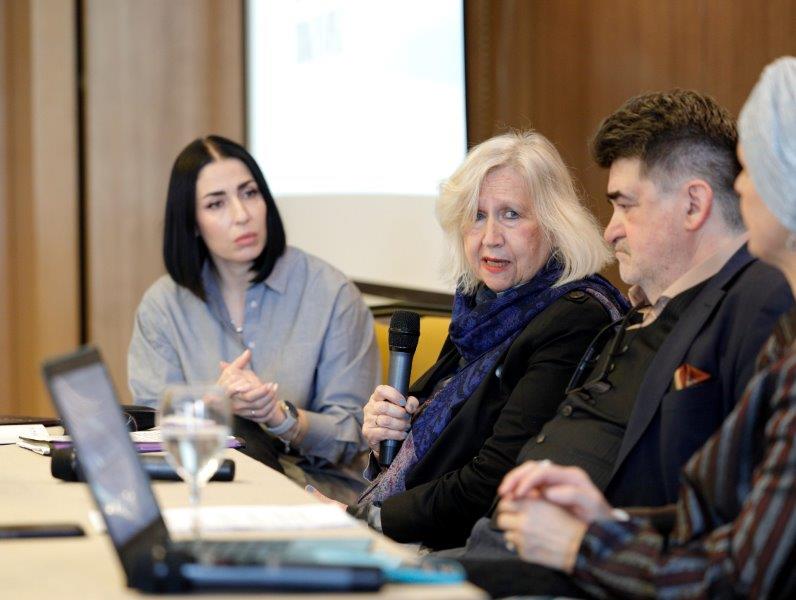
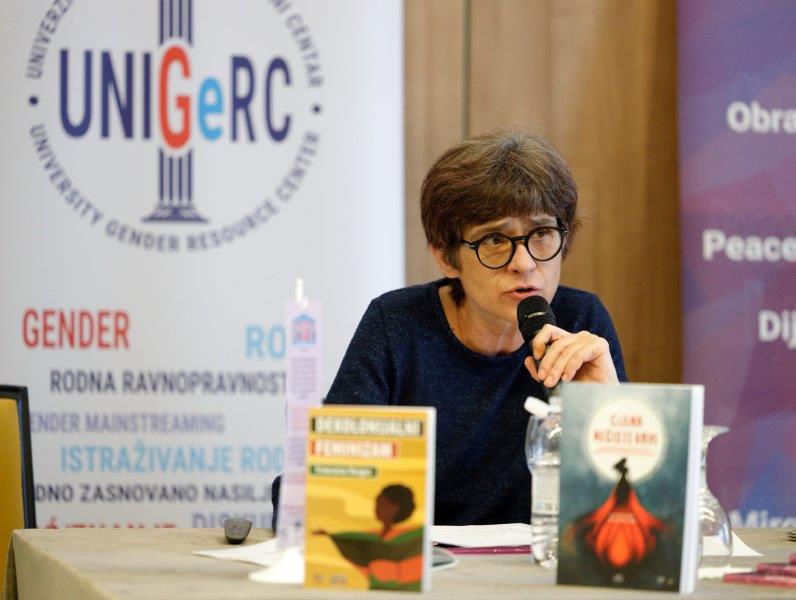
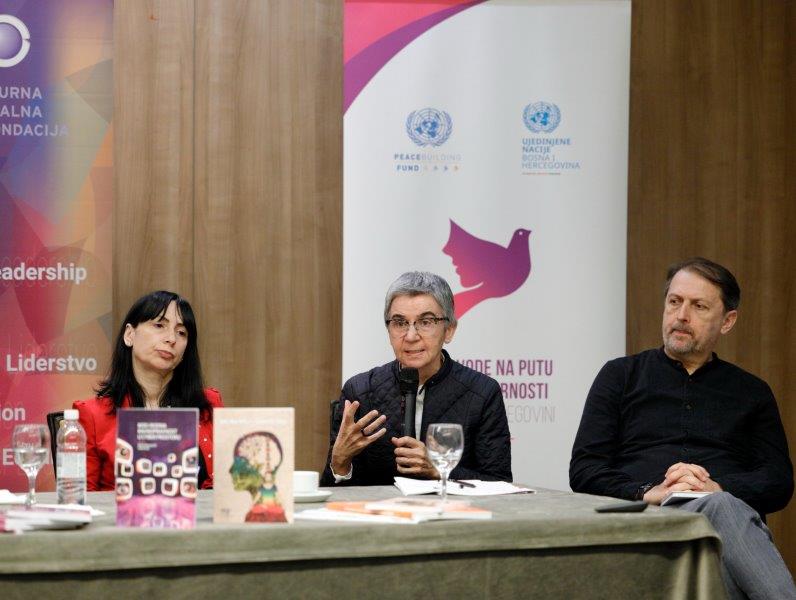
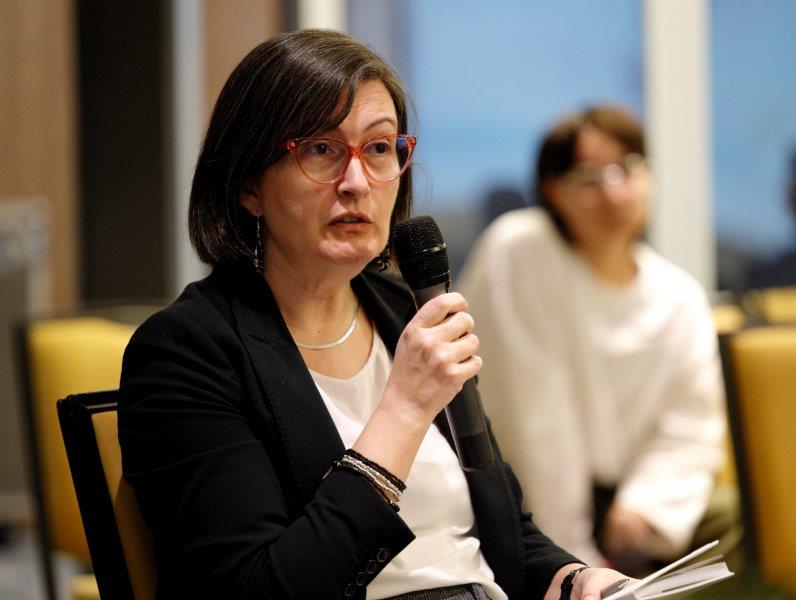
First Panel – (Dis)continuities of Patriarchal Violence brought together prominent theorists and activists who analyzed the forms and persistence of patriarchal violence in contemporary society, with a special focus on war, femicide, and feminist anti-war policies.
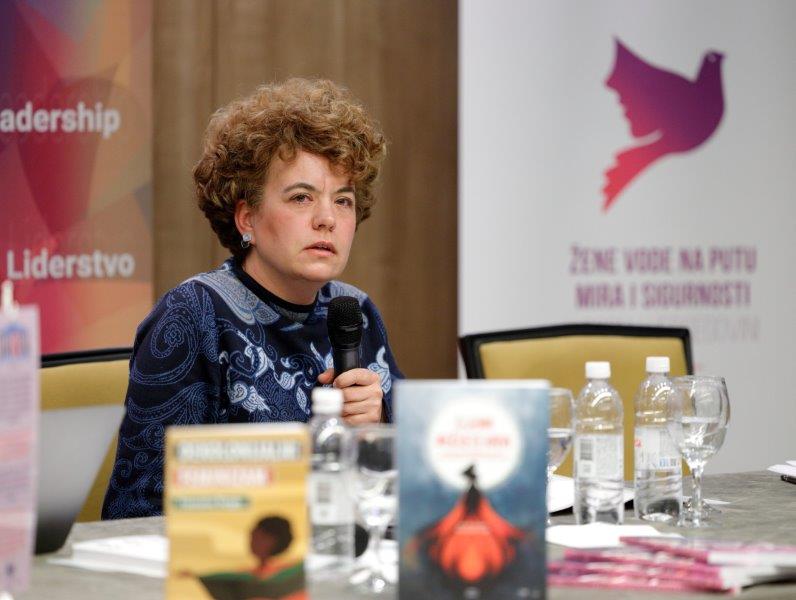
- Biljana Kašić discussed feminist peacebuilding between hope and anxiety, emphasizing that the ethics of nonviolence cannot be separated from the struggle for social justice. She posed the key question: How can war, genocide, and destruction be justified or normalized?
- Jasmina Husanović analyzed femicide as a political tool of control, highlighting how capitalist profit logic subjugates life and creates a “necropolitical masculinity” in which violent machismo is glorified as a state strategy.
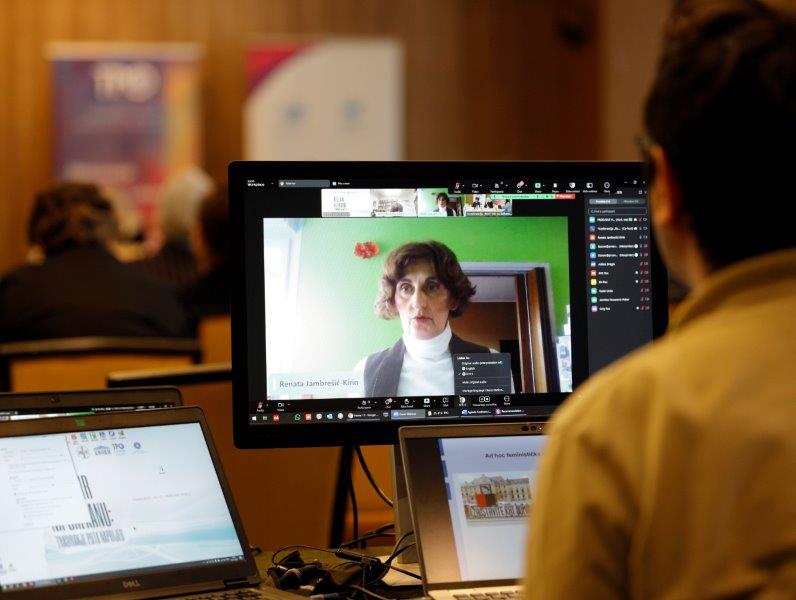
- Renata Jambrešić and Vesna Janković reflected on feminist resistance during the wars of the 1990s, pointing to the disciplining of civil society and the lack of transnational feminist solidarity in current global conflicts.
The discussion raised critical dilemmas: How can feminists advocate for peace while also recognizing women’s right to self-defense? How can the militarization of women’s bodies and feminist struggles be avoided?
Second Panel – Anti-Gender Discourses and Policies focused on contemporary anti-gender policies and the influence of global political trends driving the retraditionalization of society.
- Rebeka Anić analyzed how right-wing populist parties use the manipulative discourse of “common sense” to create moral panic and legitimize patriarchal resistance. Referring to Juan Marc Vaggione’s theory, Anić emphasized that “common sense” is a key tool for anti-gender movements, which invert the roles of perpetrator and victim through psychological manipulation, generating fear and control.
Feminism Between Continuity and Change – Charting the Way Forward
The closing debate of the first day raised the question of how feminist movements can chart a path toward the future. Key takeaways included:
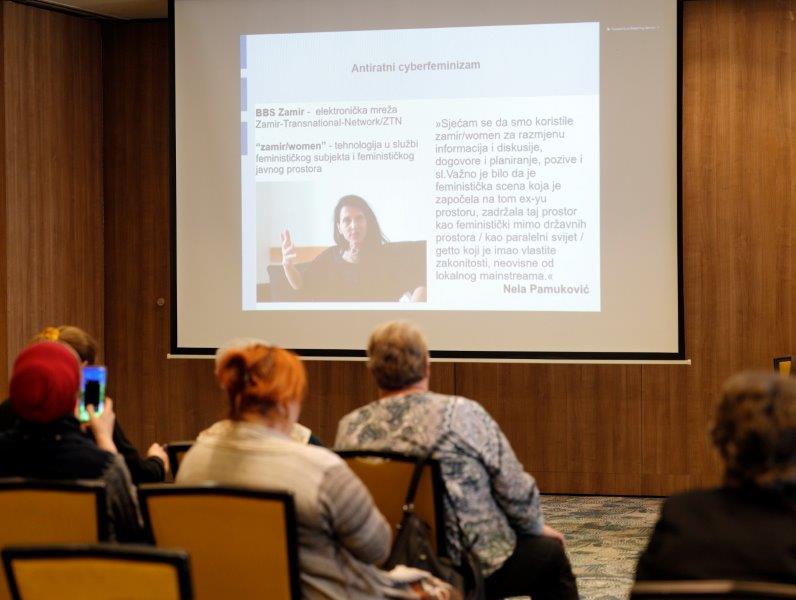
- Restoring Transnational Feminist Solidarity – The weakening of international feminist networks leaves activists isolated within national frameworks. Digital platforms provide opportunities for connecting movements and building global support.
- Feminist Ethics in an Era of Militarization – Peace cannot be a passive concept; it requires active resistance to violence while acknowledging the need for self-defense.
- Confronting Patriarchal Counter-Revolutions – Anti-gender movements are not isolated phenomena but part of a global strategy by right-wing ideologies attacking gender equality and human rights.
Through the debates and analyses of the first day, it was affirmed that feminist struggle cannot be merely reactive to violence-it must actively create spaces of freedom, solidarity, and social transformation. As the title suggests: every journey, including the feminist one, is better than remaining in the inn of the patriarchal order.